Young South African women shouldn’t have to do this
Being unable to afford the so-called ‘luxury’ of sanitary products is a harsh reality for many young South African women. Not only must they endure the horrendous, unnecessarymonthly stigma of something as natural as a period, they also have to find a way to carry on with normal life while managing the hygiene and logistics of their monthly cycle.
Without the aid of a charity such as Siyakunakekela, there is, sadly, only one option open to them: improvise a solution. And that’s where the reality of period poverty turns even darker.
Why girls resort to using improvised materials
For many young girls, the cost of sanitary pads is simply out of reach. In households where every rand is stretched to cover food, transport, or school fees, period products are not considered essential. When girls have to choose between attending school with nothing or staying home, many opt to risk discomfort and embarrassment by creating homemade solutions.
Access is another significant barrier — especially in rural and township areas. Even when families are willing to purchase pads, local shops might not stock them consistently, or they may be too far away. In some cases, the journey to obtain them is not just long, but unsafe. Girls in these communities have to improvise with whatever they have on hand.
The desperate measures they have to take
In the absence of proper sanitary products, girls, understandably, turn to anything that seems absorbent. Newspapers are commonly used, despite their ink and brittle texture causing skin irritation and a high risk of infection. Old clothes or rags are another go-to, often reused without proper cleaning or drying, creating the perfect breeding ground for bacteria. Socks are sometimes rolled and stuffed into underwear — an act of necessity, not choice.
Some of the measures are shockingly crude and harmful. Toilet paper is used in thick wads but disintegrates quickly and offers little protection. Foam from old mattresses, dried leaves, or even grass are used in rural areas, and plastic bags are sometimes inserted in a misguided attempt to “seal” the flow — but all trap heat and moisture. In extreme cases, reports of girls using sand or mud have surfaced, driven by misinformation and desperation. These aren’t solutions. They’re survival tactics, and they come with heavy consequences.
The risks no one talks about
These improvised materials carry serious health risks. The repeated use of unsanitary items leads to urinary tract infections, bacterial vaginosis, and even pelvic inflammatory disease — all of which can result in chronic pain or long-term reproductive health issues. These aren’t rare complications; they are common, preventable consequences of not having access to basic menstrual products.
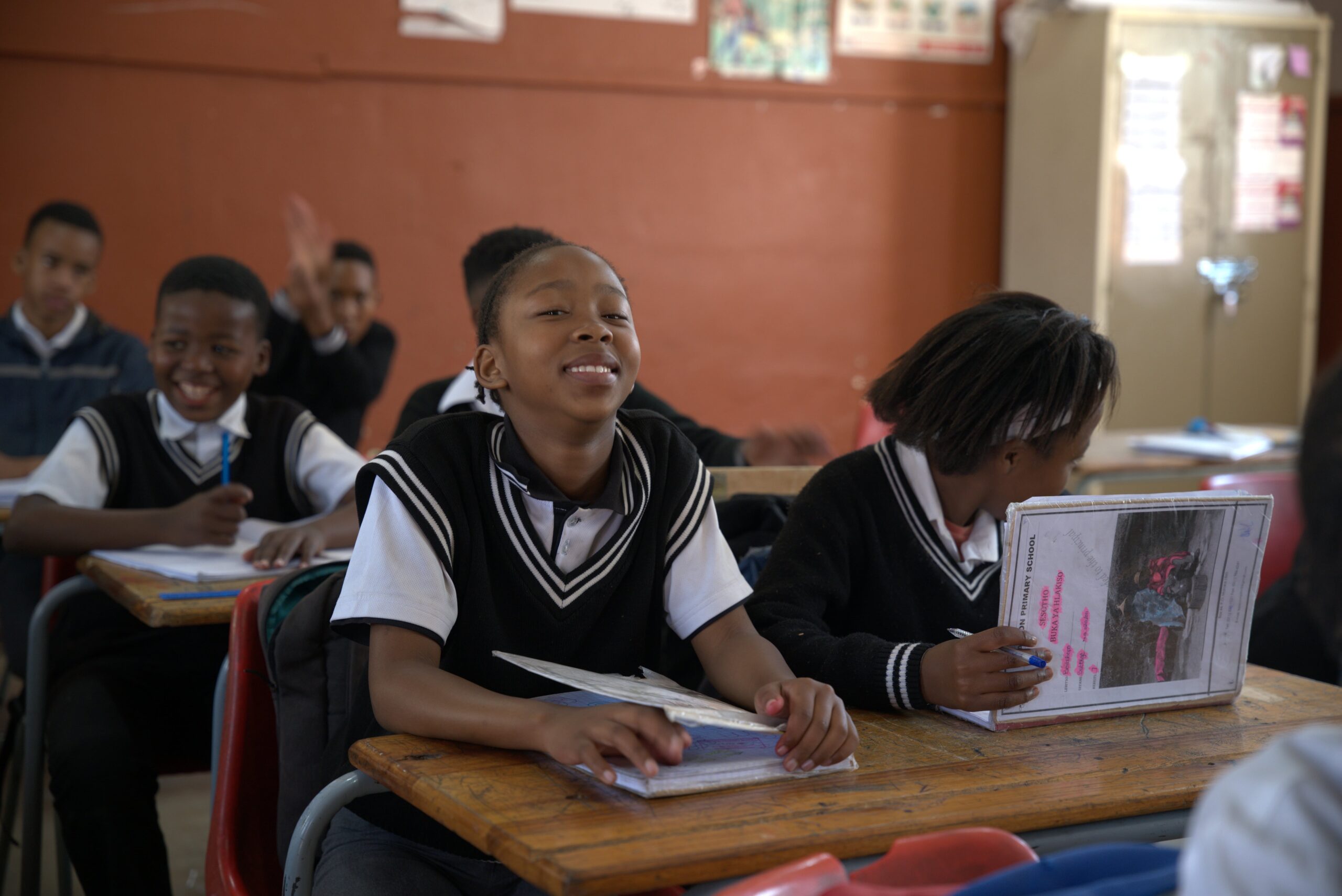
The psychological effects are just as damaging. Girls constantly worry about leaks, odour, or being humiliated in public — which leads many to stay home from school. This monthly interruption isn’t just inconvenient; it chips away at confidence, participation, and dignity. What should be a manageable biological process becomes a recurring source of anxiety, shame, and social exclusion.
How we are solving the problem and bringing their dignity back
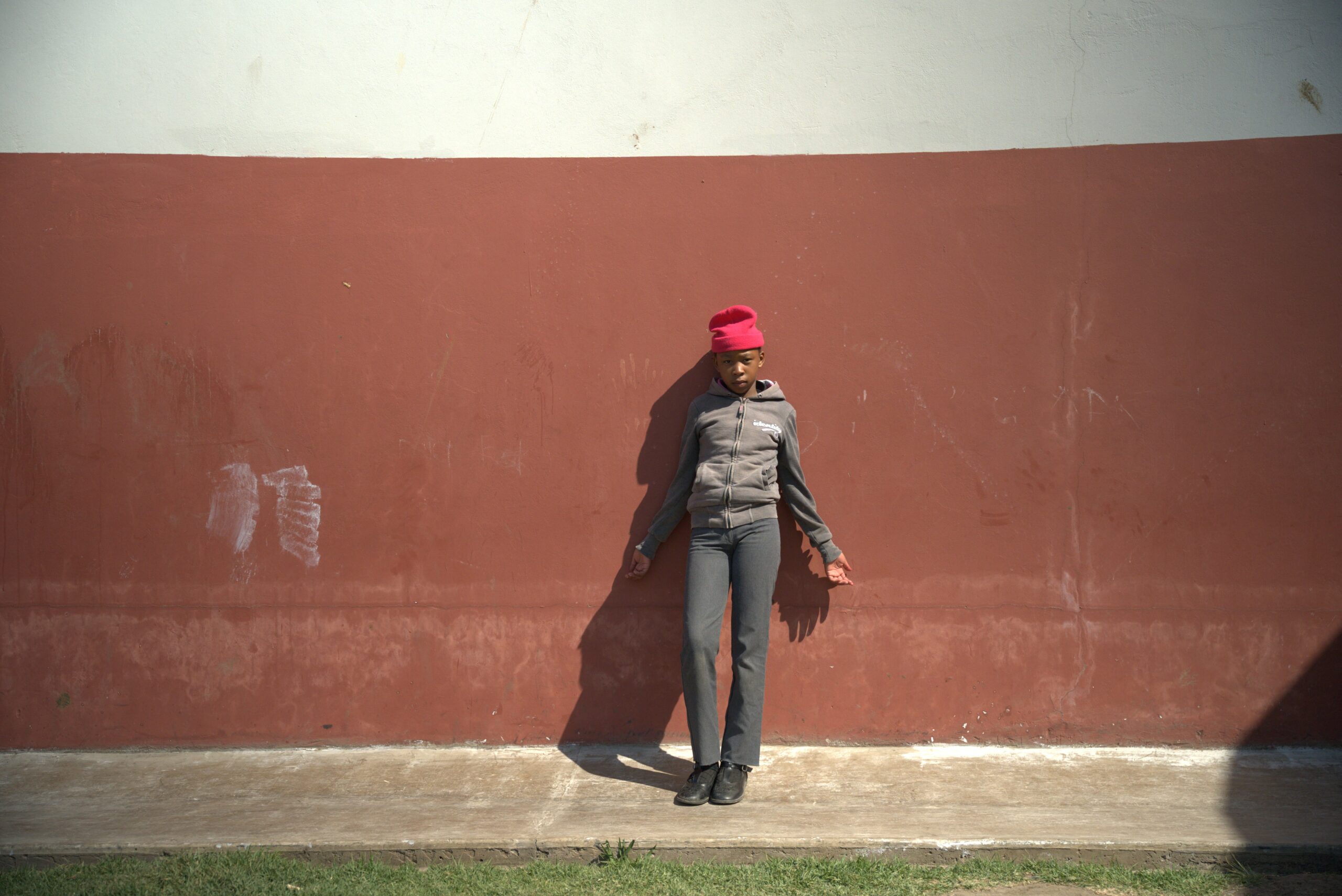
At Siyakunakekela, we believe no girl should have to patch together a solution to manage her period. Dignity begins with having what you need, when you need it — and that includes sanitary products that are safe, reliable, and comfortable. Our work provides girls with proper menstrual products on a consistent basis, so they can focus on living their lives — not hiding from them.
More than just products, we’re helping girls own their experience. We equip schools and communities not only with supplies but with knowledge and support. By making menstruation something normal — not something shameful — we restore a sense of control, agency, and confidence. A pad is not a luxury. It’s the baseline for dignity, health, and opportunity.
We produce sanitary products that are safe, biodegradable, and made from 100% cotton.
For just £25 per month, you can save a whole classroom of girls from the indignity of period poverty.